
Cổng Trời Ô Quy Hồ, Lào Cai - Trang Web chính thức
 Tiếng Việt




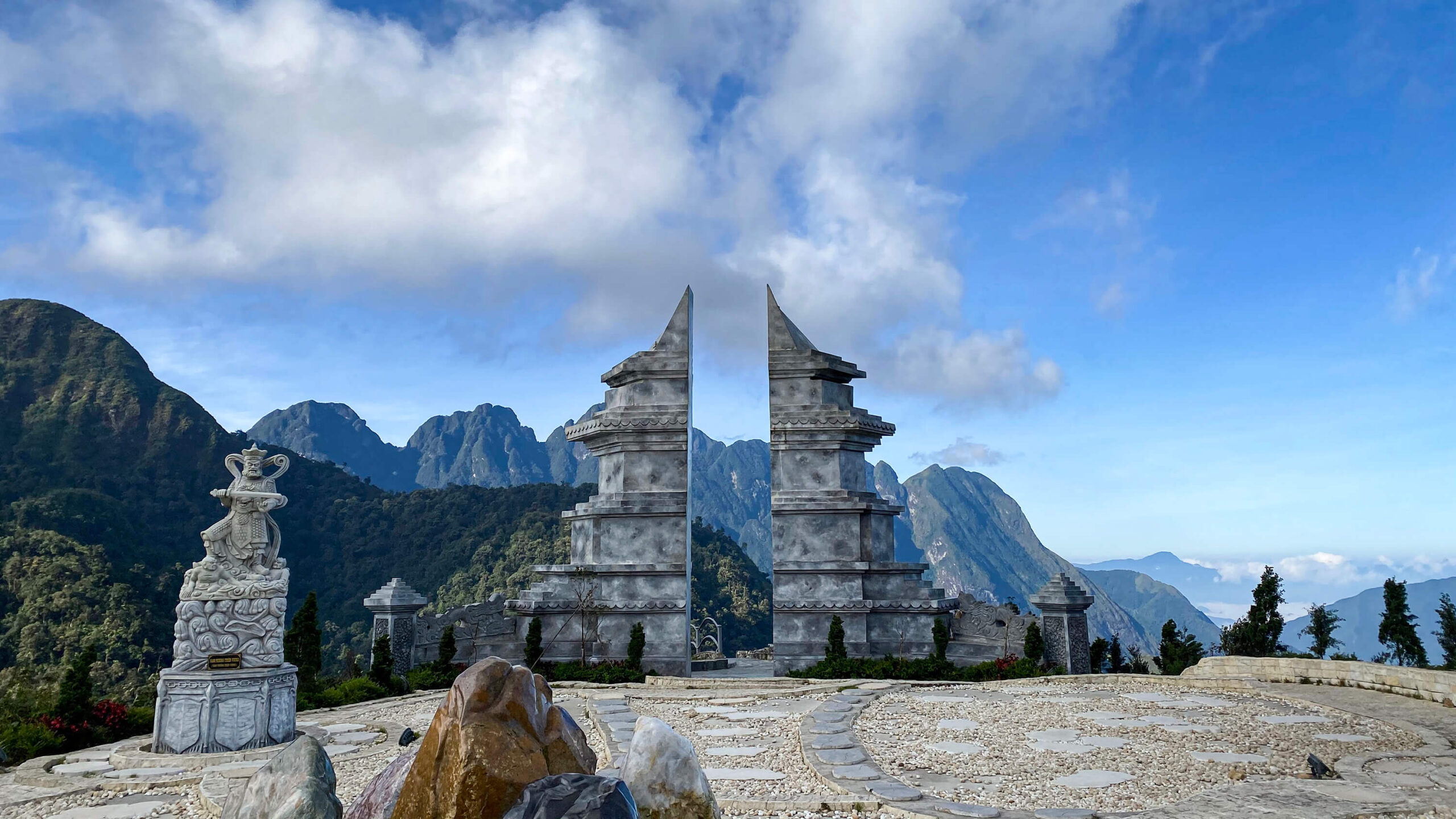
Sapa Vietnam Travel Guide 2027: Best Things to Do & See
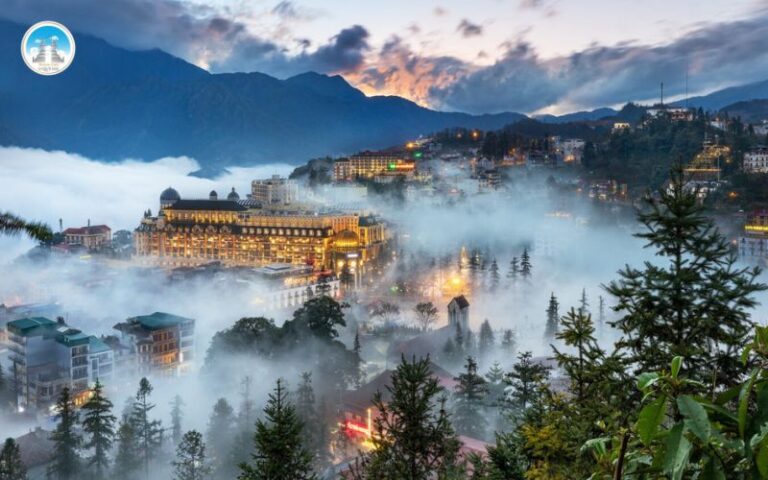
Imagine waking up to a sea of clouds floating between majestic mountains, walking through golden rice terraces, and discovering centuries-old traditions in the peaceful highlands of Northern Vietnam. This is Sapa, one of Southeast Asia’s most captivating mountain destinations.
Nestled within the magnificent Hoang Lien Son mountain range, Sapa Viet Nam offers a remarkable combination of breathtaking natural landscapes, cultural diversity, outdoor adventures, and relaxing mountain retreats.
Whether you’re planning a romantic getaway, a family holiday, or an unforgettable adventure, Sapa promises experiences that extend far beyond ordinary sightseeing.
From the legendary O Quy Ho Pass and the spectacular Fansipan summit to traditional mountain villages and beautiful rice terraces, this comprehensive Sapa travel guide for 2027 covers the best things to do, places to visit, travel tips, and memorable highland experiences.
Mục lục bài viết
- 1. O Quy Ho Heaven Gate – A Must-Visit Attraction in Sapa
- 2. Fansipan Mountain – Discover the Roof of Indochina
- 3. Muong Hoa Valley – Discover Sapa’s Iconic Rice Terraces
- 4. Cat Cat Village – Discover Traditional Hmong Culture
- 5. Lao Chai and Ta Van Villages – Experience Authentic Highland Life
- 6. Silver Waterfall and Love Waterfall – Explore Sapa’s Natural Beauty
- 7. Sapa Town Center – Explore Local Markets and Mountain Culture
- 8. Best Time to Visit Sapa Viet Nam in 2027
- 9. How to Get to Sapa From Hanoi
- 10. Suggested 3-Day Sapa Travel Itinerary for 2027
- 11. Essential Sapa Travel Tips for International Visitors
- 12. Frequently Asked Questions About Sapa Viet Nam
- Conclusion: Discover the Beauty of Sapa in 2027
1. O Quy Ho Heaven Gate – A Must-Visit Attraction in Sapa
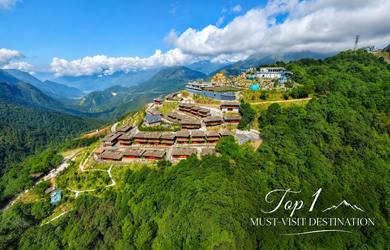
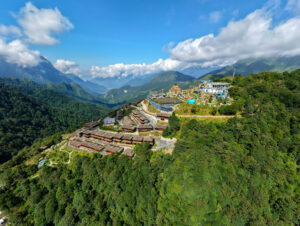
Among the most remarkable places to explore in Sapa, O Quy Ho Heaven Gate Tourism Area stands out for its extraordinary location, panoramic mountain scenery, and diverse experiences.
Located approximately 15 kilometers from central Sapa, along O Quy Ho Pass in the direction of Lai Chau, this destination offers spectacular views of the Hoang Lien Son mountain range.
O Quy Ho Pass is celebrated as one of the legendary four great mountain passes of Vietnam, renowned for its winding roads, dramatic valleys, and magnificent natural landscapes.
At an elevation of approximately 2,035 meters above sea level, O Quy Ho Heaven Gate offers visitors an opportunity to appreciate the breathtaking beauty of Northwest Vietnam from an impressive high-altitude setting.
Unlike traditional sightseeing viewpoints, the tourism area combines natural scenery with cultural attractions, outdoor adventures, accommodation, dining, and wellness experiences.
For travelers exploring Sapa Viet Nam, it offers a refreshing combination of mountain adventure and peaceful relaxation.
Experience the Magic of Cloud Hunting
One of the most unforgettable experiences at O Quy Ho Heaven Gate is watching white clouds drift across the mountains.
On favorable mornings, clouds may gather in the valleys below the viewpoints, creating the appearance of an endless white ocean stretching toward the horizon.
As sunlight gradually illuminates the peaks, the scenery transforms into a breathtaking panorama of mountains, clouds, and golden light.
This remarkable phenomenon, known as cloud hunting, attracts photographers, nature enthusiasts, and travelers seeking extraordinary highland experiences.
The cooler months, particularly from October to March, can provide atmospheric conditions for cloud viewing, although visibility and cloud formations vary daily.
Even without a sea of clouds, the surrounding mountain views and dramatic highland scenery make the journey worthwhile.
Explore Two Distinctive Sightseeing Areas
O Quy Ho Heaven Gate Tourism Area is divided into two main sightseeing areas, each offering its own experiences.
Area I – Scenic Beauty and Cultural Landmarks
Area I brings together stunning viewpoints, distinctive architectural features, and cultural or spiritual spaces.
Visitors can admire the surrounding mountains, capture memorable photographs, and explore the peaceful atmosphere around O Quy Ho Temple.
Beautifully designed landscapes and viewpoints provide opportunities to appreciate the natural grandeur of the Northwest.
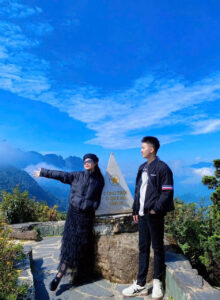
Area II – Nature and Outdoor Adventure
Area II offers additional sightseeing locations, landscaped gardens, entertainment areas, and outdoor experiences.
Travelers can explore the natural surroundings while discovering a different side of Sapa’s mountain landscape.
Together, both areas provide a more complete visitor experience, making O Quy Ho Heaven Gate an appealing destination for travelers who want to explore beyond the town center.
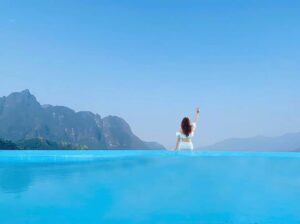
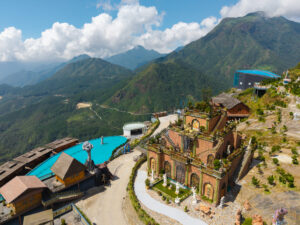
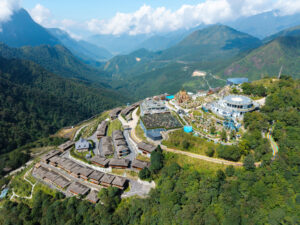
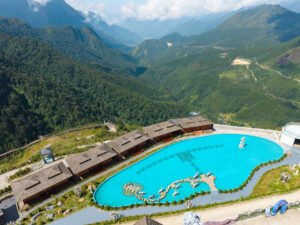
Discover Exciting Mountain Adventures
For travelers seeking excitement, O Quy Ho Heaven Gate offers a variety of adventure activities, subject to operating conditions.
Popular experiences include:
- Zipline

- Quick Jump
- Swing

- Rock Climbing
- Inertial Go-Kart

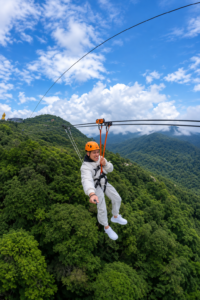
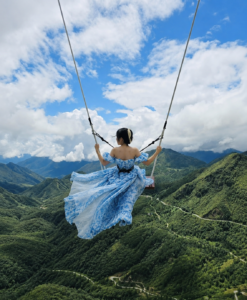
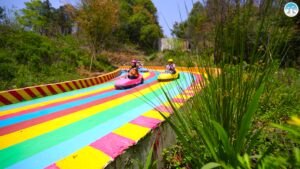
Adventure activities may have separate admission fees, age or height requirements, and seasonal operating restrictions.
This combination of sightseeing and recreation makes the destination especially attractive to groups of friends, couples, and families looking for memorable experiences.
Stay in a Mountain-View Bungalow
One of the most appealing ways to experience O Quy Ho Heaven Gate is to stay overnight rather than return immediately to Sapa town.
The tourism area offers accommodation options including hotel rooms, wooden bungalows, and glass-fronted bungalow designs that complement the surrounding mountain scenery.
Depending on the room category, guests can enjoy beautiful views of the surrounding forests, hills, and valleys.
Imagine waking up to the cool mountain air, opening your curtains to a misty landscape, and enjoying a peaceful breakfast surrounded by nature.
An overnight stay allows travelers to discover the changing beauty of the mountains, from atmospheric mornings to the warm colors of late afternoon.
For couples seeking a romantic escape or travelers looking for a peaceful retreat, the accommodation provides an opportunity to slow down and enjoy the highlands in comfort.
Experience Traditional Red Dao Herbal Bathing
After exploring the mountains, visitors can discover a distinctive cultural wellness experience at Thien Vien & Spa.
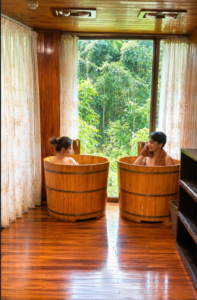
Traditional Red Dao herbal bathing is associated with the Red Dao community of Northern Vietnam.
This practice involves bathing in warm water infused with fragrant herbs and plants, offering a relaxing experience rooted in local cultural traditions.
Guests can also enquire about sauna, steam, and other available wellness services.
The peaceful mountain atmosphere makes these experiences particularly inviting after a day of sightseeing or outdoor activities.
The tourism area also offers dining and leisure facilities, including a four-season swimming pool, subject to availability.
Why visit O Quy Ho Heaven Gate?
Because it brings together some of the most appealing aspects of Sapa in one destination: majestic mountain scenery, cloud hunting, cultural experiences, outdoor adventure, and relaxing accommodation.
Explore O Quy Ho Heaven Gate Tourism Area
2. Fansipan Mountain – Discover the Roof of Indochina
Best for: Panoramic views, cable car journeys, and mountain landmarks.
No travel guide to Sapa would be complete without mentioning Fansipan, the highest mountain in Vietnam and the Indochinese Peninsula.
Rising approximately 3,143 meters above sea level, Fansipan is famously known as the Roof of Indochina.
The mountain offers spectacular views of the Hoang Lien Son range and is one of the region’s most celebrated natural landmarks.
Take the Fansipan Cable Car
One of the most popular ways to reach the upper mountain area is by cable car.
The journey carries travelers above forests, valleys, and mountain slopes, revealing impressive views of the surrounding highlands.
Near the summit, visitors can explore the spiritual and architectural landmarks of the Fansipan complex before continuing toward the peak.
On clear days, the views extend across layers of mountains disappearing into the distance.
Weather can change rapidly at high elevations, so travelers should check operating conditions and bring warm clothing.
Explore Mountain Spiritual Landmarks
Fansipan is not only a destination for mountain enthusiasts.
The summit complex features Buddhist architectural landmarks, statues, and peaceful spaces for reflection.
These structures create a striking contrast against the natural mountain landscape.
For visitors interested in both nature and culture, Fansipan offers a memorable experience.
3. Muong Hoa Valley – Discover Sapa’s Iconic Rice Terraces
Best for: Rice terrace photography, countryside trekking, and scenic landscapes.
Muong Hoa Valley is one of the most beautiful natural landscapes in Northern Vietnam.
Surrounded by mountains, the valley is famous for its terraced rice fields, winding streams, and traditional villages.
The landscape changes dramatically with the seasons, creating different experiences throughout the year.
During the growing season, rice terraces turn vibrant green, covering the hillsides in beautiful patterns.
As the harvest approaches, the fields gradually transform into golden layers that stretch across the mountain slopes.
For travelers searching for the most photogenic places in Sapa Viet Nam, Muong Hoa Valley deserves a prominent place on the itinerary.
Trek Through the Rice Terraces
Exploring the valley on foot is one of the most rewarding ways to discover its natural beauty.
Travelers can follow trekking routes through fields, villages, and hillside paths while enjoying views of the surrounding mountains.
Guided walks also provide opportunities to learn about local agriculture, traditional lifestyles, and the communities who have cultivated these landscapes for generations.
Best Time to Visit Muong Hoa Valley
The rice terraces are particularly attractive from late August through September, although the exact harvesting period varies between areas and years.
Spring and early summer offer fresh green landscapes, while autumn is known for its golden fields.
For photography enthusiasts, early morning and late afternoon often provide beautiful natural lighting.
4. Cat Cat Village – Discover Traditional Hmong Culture
Best for: Cultural exploration, traditional architecture, and village photography.
Located a short distance from central Sapa, Cat Cat Village is among the area’s best-known cultural attractions.
The village is associated with the Hmong community and offers opportunities to discover traditional architecture, local handicrafts, and the atmosphere of a mountain settlement.
Visitors can walk along village paths, admire traditional wooden houses, and explore displays of regional crafts.
Surrounded by hills and streams, the village also provides picturesque settings for photography.
Discover Local Handicrafts
Textile production, embroidery, and traditional clothing are important elements of Hmong cultural heritage.
Visitors may encounter demonstrations and displays of these crafts while exploring the village.
Travelers are encouraged to approach cultural experiences respectfully, seek permission before photographing residents, and support local artisans through fair purchases.
A visit to Cat Cat Village adds a meaningful cultural dimension to a mountain holiday.
5. Lao Chai and Ta Van Villages – Experience Authentic Highland Life
Best for: Village trekking, homestays, and local cultural experiences.
For travelers interested in exploring the countryside beyond Sapa town, Lao Chai and Ta Van offer rewarding opportunities.
Located in the Muong Hoa Valley area, these villages are surrounded by terraced fields, rivers, and mountains.
The area is home to communities including Hmong and Giay residents, whose cultural traditions contribute to the character of the highlands.
Enjoy a Guided Village Trek
Walking through the surrounding countryside allows travelers to appreciate the peaceful atmosphere of the mountain landscape.
Depending on the route, visitors may pass rice terraces, small streams, traditional houses, and agricultural fields.
A knowledgeable local guide can explain the cultural and environmental significance of the area while helping visitors choose routes appropriate for their abilities.
Experience a Traditional Homestay
A community-based homestay can offer opportunities to enjoy local meals and learn about everyday life in the highlands.
For international travelers, respectful cultural exchange is often one of the most memorable parts of a journey.
6. Silver Waterfall and Love Waterfall – Explore Sapa’s Natural Beauty
Best for: Nature lovers, waterfalls, and scenic excursions.
Sapa’s mountains are home to beautiful waterfalls surrounded by forests and dramatic landscapes.
Two well-known attractions are Silver Waterfall and Love Waterfall.
Silver Waterfall
Silver Waterfall, also known as Thac Bac, is a striking mountain waterfall located along the route toward O Quy Ho Pass.
Water cascades down a steep rocky slope, creating a beautiful natural setting.
It is a convenient stop for travelers exploring the mountain road between Sapa and O Quy Ho Heaven Gate.
Love Waterfall
Love Waterfall is another popular natural attraction within the Hoang Lien area.
Visitors follow a forest path before reaching the waterfall, enjoying a peaceful environment of trees, streams, and mountain scenery.
The waterfall is associated with local legends and offers a pleasant outdoor excursion.
Both waterfalls can be included in a scenic journey toward O Quy Ho, depending on weather conditions and available time.
7. Sapa Town Center – Explore Local Markets and Mountain Culture
Best for: Local food, evening walks, shopping, and cultural landmarks.
Although Sapa is famous for its surrounding landscapes, the town center also offers enjoyable experiences.
Visitors can explore the area around Sapa Lake, discover local cafés, and visit the historic Sapa Stone Church.
The town’s streets provide a lively contrast to the peaceful countryside.
Discover the Sapa Stone Church
The Stone Church is one of Sapa’s recognizable architectural landmarks.
Located near the town center, the church and surrounding square are popular meeting places for visitors and residents.
Taste Traditional Northwest Vietnamese Cuisine
Food is an essential part of exploring Sapa Viet Nam.
The region is known for mountain-inspired dishes, grilled meats, local vegetables, and comforting hotpots.
Popular foods to explore include:
- Thang Co: A traditional highland stew associated with Hmong food culture.
- Grilled Mountain Specialties: A variety of grilled foods often enjoyed in cooler weather.
- Sapa Salmon Hotpot: A popular local dining experience.
- Local Vegetables: Fresh mountain-grown produce prepared in regional styles.
Trying regional cuisine is a wonderful way to experience the flavors and traditions of Northern Vietnam.
8. Best Time to Visit Sapa Viet Nam in 2027
Sapa is a year-round destination, but each season offers something different.
Choosing the right time depends on whether you want clear mountain views, rice terraces, blooming flowers, or atmospheric cloud-covered landscapes.
| Season | Months | Best Experiences |
|---|---|---|
| Spring | March–May | Pleasant weather, flowers, trekking, mountain sightseeing |
| Summer | June–August | Green rice terraces, lush scenery, waterfalls |
| Autumn | September–November | Golden rice fields, photography, comfortable trekking |
| Winter | December–February | Misty mountains, cold-weather retreats, cloud-hunting opportunities |
Best Time for Mountain Photography
September to November is particularly attractive for scenic photography, with cooler weather and beautiful rice terrace landscapes.
April and May are also excellent months for outdoor exploration, often bringing comfortable conditions and spring scenery.
Best Time for Cloud Hunting
For travelers hoping to witness clouds filling the mountain valleys, October through March is a popular period to consider.
O Quy Ho Heaven Gate is especially appealing during suitable weather conditions because of its elevated setting and panoramic mountain views.
Cloud seas are not guaranteed, however, and fog may sometimes obscure the landscape.
Best Time for a Relaxing Mountain Retreat
A peaceful mountain escape can be enjoyed throughout the year.
Spring and autumn are particularly comfortable for combining sightseeing with accommodation, outdoor activities, and wellness experiences.
Winter offers a different atmosphere, with cooler temperatures making warm herbal baths and cozy accommodation especially appealing.
9. How to Get to Sapa From Hanoi
Sapa is located in Lao Cai Province, Northern Vietnam.
The destination is accessible from Hanoi by road or by a combination of train and road transport.
By Sleeper Bus or Limousine Van
Direct road services connect Hanoi and Sapa.
Typical journeys take approximately five to seven hours, depending on traffic, weather, and the service selected.
This is a convenient option for travelers who want to arrive directly in Sapa.
By Train and Road Transfer
Travelers can take a train from Hanoi to Lao Cai and continue by car or shuttle to Sapa.
This option is popular among visitors who enjoy overnight train journeys.
Train schedules, transfer services, and travel times should be checked before booking.
From Sapa to O Quy Ho Heaven Gate
O Quy Ho Heaven Gate Tourism Area is approximately 15 kilometers from central Sapa along the Sapa–Lai Chau route.
Travelers can arrange a taxi, private car, or suitable local transportation.
For greater comfort and safety, an experienced local driver is recommended during foggy or rainy conditions.
10. Suggested 3-Day Sapa Travel Itinerary for 2027
A three-day itinerary provides enough time to discover major attractions while enjoying the natural beauty of the highlands.
Day 1: Explore Sapa Town and Muong Hoa Valley
Morning: Arrive in Sapa, check into your accommodation, and explore the town center.
Afternoon: Visit Muong Hoa Valley and enjoy views of the rice terraces. Depending on your interests, join a guided walk through Lao Chai or Ta Van.
Evening: Enjoy regional cuisine and explore the atmosphere around Sapa town.
Day 2: Discover Fansipan and O Quy Ho Heaven Gate
Morning: Visit Fansipan Mountain and enjoy the cable car journey, weather permitting.
Afternoon: Travel toward O Quy Ho Pass, stopping at scenic viewpoints or waterfalls along the way.
Explore O Quy Ho Heaven Gate Tourism Area, including Area I and Area II.
Enjoy photography, outdoor activities, and views of the Hoang Lien Son mountains.
Evening: Stay overnight in a mountain bungalow or hotel room at O Quy Ho Heaven Gate.
Relax with a traditional Red Dao herbal bath or another available wellness experience.
Day 3: Cloud Hunting and Mountain Relaxation
Early morning: Check local weather conditions and visit an appropriate viewpoint to look for cloud formations.
Morning: Enjoy breakfast with mountain scenery and spend time relaxing in the peaceful surroundings.
Late morning: Explore additional attractions or enjoy a leisurely walk around the tourism area.
Afternoon: Return to Sapa and continue your journey.
This itinerary offers a balanced combination of sightseeing, cultural discovery, outdoor activities, and mountain relaxation.
11. Essential Sapa Travel Tips for International Visitors
Planning ahead can make your mountain adventure safer and more comfortable.
Pack for Changing Mountain Weather
Sapa’s highland climate can change quickly.
Bring warm layers, comfortable walking shoes, rain protection, and suitable clothing for outdoor activities.
Even during warmer months, mornings and evenings may feel cool.
Choose Appropriate Transportation
Mountain roads often have steep curves and limited visibility during fog.
Travelers unfamiliar with these conditions should consider hiring experienced drivers rather than riding motorbikes independently.
Respect Local Communities
Sapa is home to diverse communities with distinctive cultural traditions.
Respect local customs, ask permission before taking photographs of people, and support local businesses responsibly.
Book Accommodation in Advance
Popular travel periods, weekends, and public holidays can increase demand for accommodation.
If you want to stay in a mountain-view bungalow, make reservations early and confirm the room category and included services.
Check Current Attraction Information
Entrance fees, opening hours, transportation schedules, and activity availability may change before or during 2027.
Always verify current information with official operators before traveling.
12. Frequently Asked Questions About Sapa Viet Nam
Is Sapa Worth Visiting in 2027?
Yes. Sapa offers some of Northern Vietnam’s most memorable mountain landscapes, along with rice terrace trekking, cultural experiences, scenic attractions, and relaxing accommodation.
It is particularly appealing to travelers interested in nature, photography, and highland culture.
How Many Days Should I Spend in Sapa?
Three days and two nights is a comfortable starting point for exploring major attractions.
Travelers planning longer treks, cultural experiences, and mountain retreats may prefer four or five days.
What Are the Best Things to Do in Sapa?
Popular experiences include visiting O Quy Ho Heaven Gate, exploring Fansipan Mountain, trekking through Muong Hoa Valley, discovering traditional villages, photographing rice terraces, and enjoying regional cuisine.
Where Can I Go Cloud Hunting in Sapa?
O Quy Ho Pass and elevated viewpoints around the Hoang Lien Son mountain range are popular places to look for cloud formations.
Weather conditions determine whether a sea of clouds is visible.
Can I Stay Overnight at O Quy Ho Heaven Gate?
Yes. O Quy Ho Heaven Gate offers accommodation options including hotel rooms and bungalows.
An overnight stay allows visitors to experience the mountain atmosphere and enjoy additional opportunities for sightseeing, relaxation, and photography.
Is O Quy Ho Heaven Gate Suitable for Families?
The tourism area offers sightseeing, dining, leisure facilities, and a variety of experiences for different interests.
Families should check age, height, and safety requirements before booking adventure activities.
Conclusion: Discover the Beauty of Sapa in 2027
From the magnificent Fansipan summit to the golden rice terraces of Muong Hoa Valley, Sapa is a destination filled with unforgettable experiences.
The region’s natural landscapes, vibrant cultural traditions, peaceful mountain villages, and cool highland atmosphere make it one of the most distinctive places to visit in Vietnam.
For travelers planning a journey to Sapa Viet Nam in 2027, O Quy Ho Heaven Gate deserves a special place on the itinerary.
Here, visitors can admire the majestic Hoang Lien Son mountains, explore scenic viewpoints, discover traditional wellness experiences, enjoy outdoor adventures, and unwind in peaceful mountain accommodation.
Whether you are seeking an adventurous holiday, a romantic getaway, or a relaxing escape into nature, the mountains of Sapa offer something extraordinary.
Make O Quy Ho Heaven Gate part of your Sapa journey, where breathtaking landscapes, local culture, and mountain serenity come together.
Plan Your Visit to O Quy Ho Heaven Gate
Destination: O Quy Ho Heaven Gate Tourism Area – Sapa, Vietnam
Location: O Quy Ho Pass, approximately 15 km from central Sapa, toward Lai Chau, Vietnam
Website: https://congtroioquyho.com/
Hotline: +84 967 359 329
Email: info@congtroioquyho.com
Discover the beauty of Northwest Vietnam and create unforgettable memories at O Quy Ho Heaven Gate.
Các tin khác
Best Time to Visit Vietnam: Seasons, Cloud Hunting & Sapa
Giá vé tham quan Ô Quy Hồ: giá vé, kinh nghiệm khi đi
Vé cổng trời Ô Quy Hồ: Giá vé mới nhất & kinh nghiệm tham quan
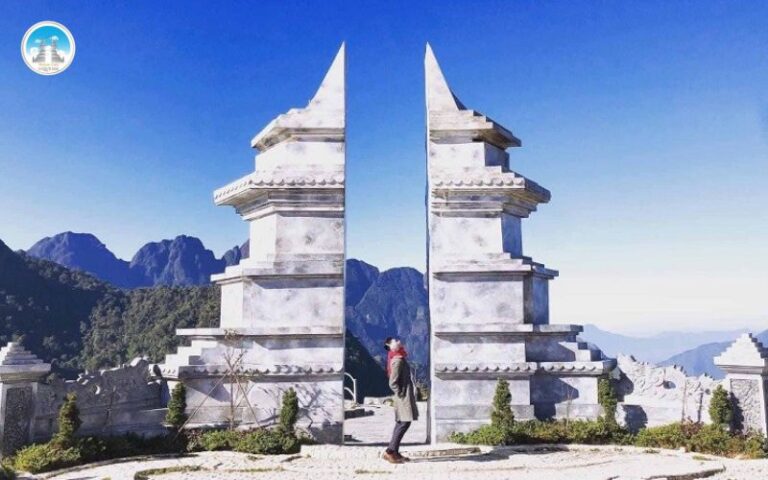
Các điểm tham quan cổng trời Ô Quy Hồ: kinh nghiệm & Check-in đẹp
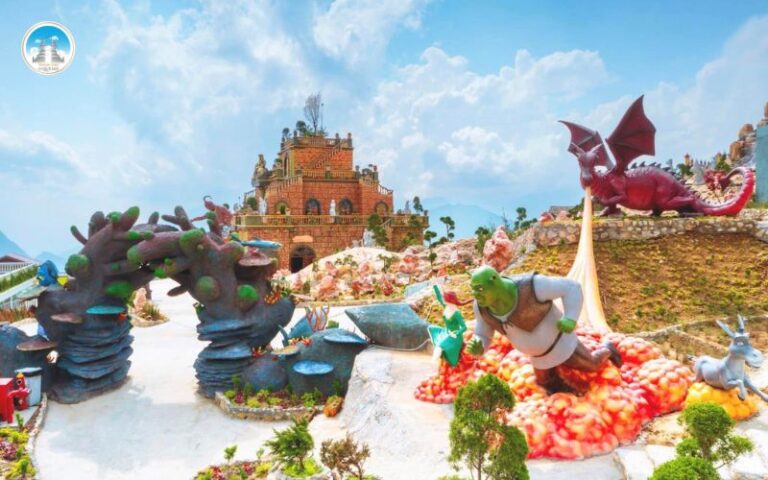
Các khu vui chơi Ô Quy Hồ và điểm đến giải trí hấp dẫn
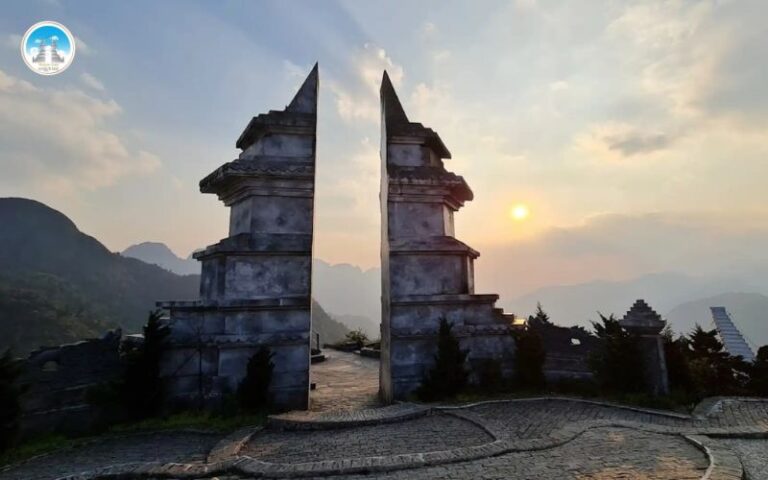
Điểm check in ô quy hồ đẹp nhất không thể bỏ lỡ
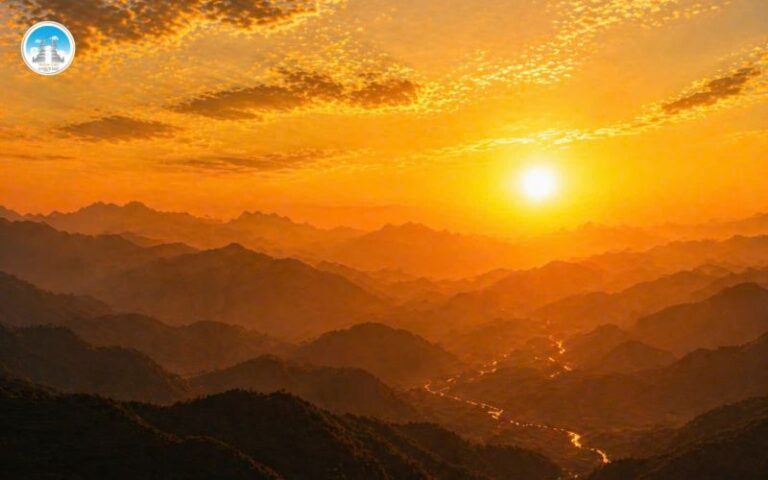
Các Điểm Sống Ảo Tại Ô Quy Hồ Đẹp Mê Ly Không Thể Bỏ Lỡ
Tham Quan Sapa Ô Quy Hồ Khám Phá Đèo Hùng Vĩ Tây Bắc
- Địa chỉ: Cổng Trời – Đèo Ô Quy Hồ (Cách trung tâm Sapa 15km hướng Sapa – Lai Châu )
- Điện thoại: 0967 359 329
- Email: info@congtroioquyho.com
- Website: https://www.congtroioquyho.com/